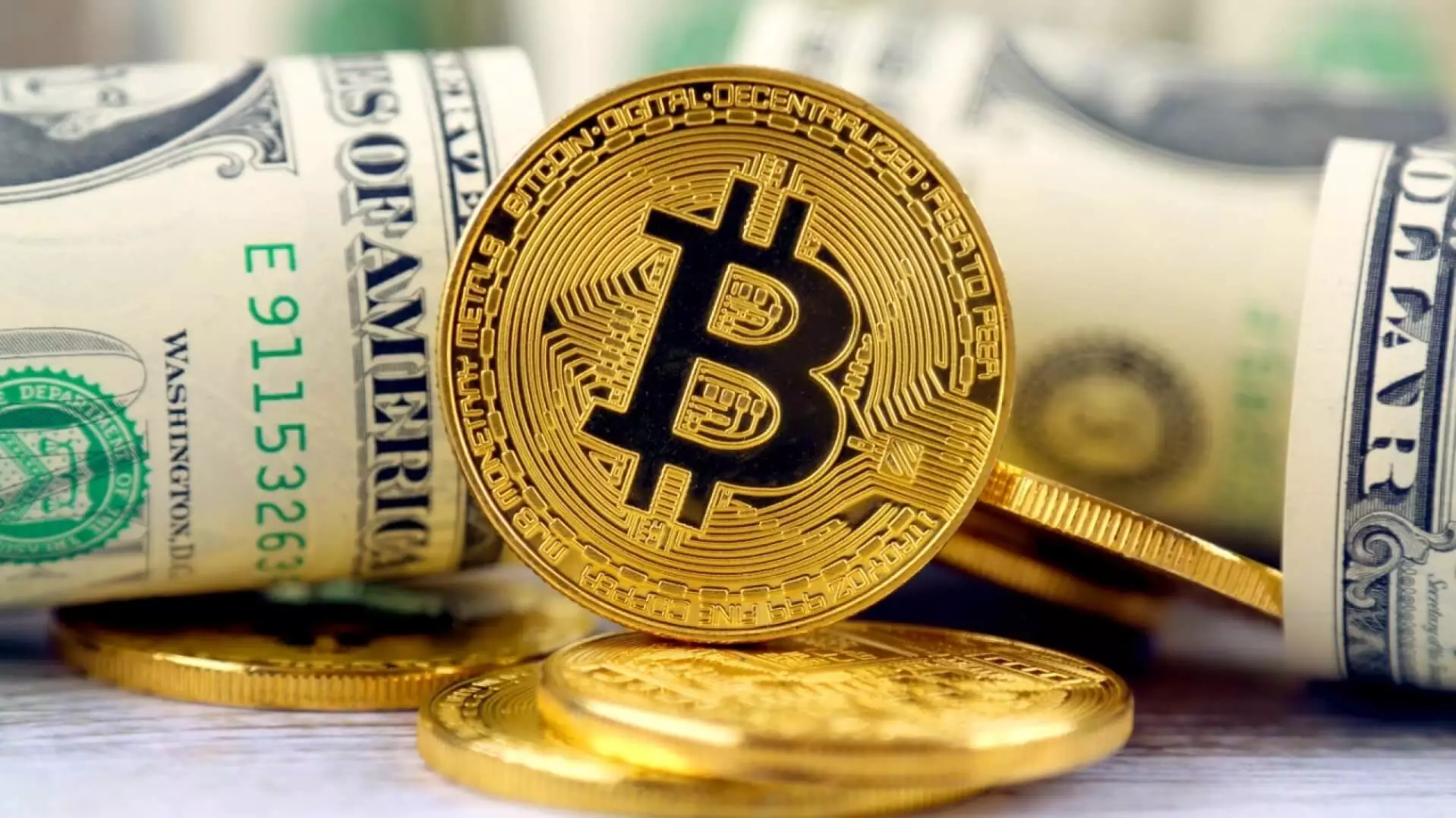
Cryptocurrency markets are no longer defined by speculation alone. The evolution of blockchain-based instruments has introduced a new wave of digital assets that extend well beyond traditional cryptocurrencies like Bitcoin and Ethereum.
Today, serious portfolio construction involves engaging with tokenized credit markets, blockchain-backed commodities, and stable digital currencies designed for reliability and efficient value transfer.
These instruments open the door to a practical strategy: digital asset diversification. Rather than relying on a single crypto asset class, investors and institutions are exploring how to build portfolios that reflect layered exposure to different segments of the blockchain ecosystem—each with distinct performance behaviors, liquidity conditions, and regulatory implications.

Content
Shifting from Monoculture to Multi-Asset Frameworks
Many early crypto portfolios were built on a narrow foundation—typically Bitcoin-heavy with a few altcoins for balance. While this approach may have captured early volatility-fueled growth, it failed to hedge against deep drawdowns, especially when correlated assets declined together. Digital diversification responds to this weakness.
A well-diversified digital portfolio today includes instruments across various categories:
- Tokenized credit (digitized representations of real-world credit products),
- Digital commodities (e.g., blockchain-based gold, carbon credits),
- Stable digital currencies (pegged tokens used for liquidity and market efficiency).
Each serves a different function in portfolio design. Tokenized credit introduces yield-bearing instruments with real-world economic links. Digital commodities offer exposure to inflation-sensitive assets without the logistical burden of physical storage. Stable digital currencies offer short-term volatility mitigation and liquidity management.
Tokenized Credit: Reshaping Fixed-Income Market Access
Tokenized credit refers to blockchain-based representations of loans, corporate bonds, trade receivables, and other yield-generating obligations. These instruments allow investors to participate in credit markets using a digital framework, often involving fractional ownership and near-instant settlement.
Unlike conventional fixed-income securities, tokenized credit products exist on-chain and may be structured to reflect real-time repayments or default risk using smart contract automation. Platforms such as Maple Finance, Centrifuge, and Goldfinch have expanded access to previously opaque credit markets, such as SME loans and uncollateralized lending.
While institutional adoption is increasing, key considerations remain:
- Underwriting standards vary across platforms.
- Some protocols rely on overcollateralization, others on off-chain legal agreements.
- Market liquidity can be shallow compared to traditional debt instruments.
Despite these limitations, tokenized credit assets add a cash flow dimension to crypto portfolios often dominated by capital appreciation. They are particularly useful for investors seeking regular digital yield exposure with relatively stable principal volatility.

Digital Commodities: Commodity Exposure Without Traditional Constraints
Commodity tokenization refers to the issuance of blockchain tokens representing real-world commodities—most notably gold, silver, carbon credits, and agricultural products. These tokens are typically backed 1:1 by physical reserves held by custodians, and they benefit from blockchain’s efficiency in terms of transparency, traceability, and transfer speed.
One of the most established products in this space is Paxos Gold (PAXG), where each token is backed by one fine troy ounce of gold stored in London vaults. Others, such as Kinesis or Tether Gold, offer similar instruments but vary in custodianship and governance.
Investors use digital commodities for:
- Inflation hedging, especially during monetary tightening cycles.
- Non-correlated diversification, since commodity prices often respond differently to macroeconomic trends compared to digital currencies.
- Sustainability-aligned allocations, especially with the rise of tokenized carbon credits (e.g., Toucan Protocol, KlimaDAO).
The primary challenge lies in assessing the custodial credibility and on-chain–off-chain reconciliation. Investors must evaluate redemption rights, audit procedures, and whether the token issuers are operating within regulatory frameworks.
Stable Digital Currencies: Liquidity Without Market Turbulence
Stablecoins such as USDC, DAI, and USDT have become central to the functionality of digital markets. These tokens are designed to maintain parity with a fiat currency, most often the U.S. dollar, and are used for trading pairs, collateralization, and payment rails within the blockchain ecosystem.
From a portfolio construction perspective, stablecoins are not intended for price appreciation. Instead, they provide liquidity efficiency, low-volatility holdings, and options for yield generation through decentralized lending platforms or staking mechanisms.
Unlike speculative crypto assets, stable digital currencies support:
- Safe harbor allocations during high-volatility events.
- Quick asset rotation when exiting or entering positions.
- Cross-border transaction efficiency with reduced fees.
There are, however, distinctions in collateral models:
- Fiat-backed stablecoins (e.g., USDC) rely on regulated reserves and custodians.
- Algorithmic or crypto-backed stablecoins (e.g., DAI) depend on smart contract protocols and risk-adjusted collateralization ratios.
Understanding the reserve architecture behind a stablecoin is critical to evaluating its suitability in a diversified allocation. Events such as the TerraUSD collapse highlighted the risks of algorithmic models without adequate support.
Framework for Constructing a Balanced Digital Asset Portfolio
Building a diversified portfolio using these asset types requires both tactical selection and structural awareness. A typical allocation framework might look like:
| Asset Type | Function | Approximate Weighting |
| Layer 1 Tokens | Long-term growth | 30–40% |
| Tokenized Credit | Income & real-world exposure | 20–30% |
| Digital Commodities | Inflation hedge & resilience | 10–20% |
| Stable Digital Currencies | Liquidity & risk offset | 10–20% |
Note: These ranges are illustrative. Investors should tailor allocations based on their risk tolerance, investment horizon, and market conditions.
Crucially, diversification within digital assets should not be confused with risk elimination. Correlations between asset classes can rise during systemic shocks, and liquidity across non-major tokens can vanish in periods of stress. Regular rebalancing and risk monitoring are essential.
Staying Ahead of the Curve
Digital asset diversification is not static. New instruments, protocols, and market dynamics emerge regularly. For example:
- Tokenized real estate markets are gaining traction, with platforms allowing fractional access to commercial properties.
- Synthetic asset protocols now allow price exposure to off-chain commodities or indexes, though these still face regulatory and liquidity constraints.
- Interoperable stablecoins, such as Circle’s CCTP framework, aim to reduce fragmentation across chains and improve capital efficiency.
Remaining current requires continuous market research, evaluation of infrastructure security, and a strong grasp of protocol mechanics.

Strategic Perspective from Kenson Investments
Kenson Investments, a leading fund management company, recognizes that digital diversification is not simply about adding more coins to a wallet — it’s about constructing a structured portfolio with layers of exposure to distinct risk-reward profiles across digital markets.
Digital asset management consultants at Kensons Investments work with institutions seeking access to emerging segments like tokenized credit and blockchain-based commodities through educational resources, infrastructure guidance, and risk-oriented insights.
Explore digital portfolio design with clarity.
About the Author
This article was written by a researcher and writer specializing in blockchain infrastructure, tokenized finance, and emerging trends in digital asset markets. With a background in technology analysis and decentralized finance (DeFi), their work focuses on demystifying complex crypto ecosystems, exploring practical portfolio strategies, and examining regulatory developments shaping the digital economy.
Disclaimer: The information provided on this page is for educational and informational purposes only and should not be construed as financial advice. Crypto currency assets involve inherent risks, and past performance is not indicative of future results. Always conduct thorough research and consult with a qualified financial advisor before making investment decisions.
“The crypto currency and digital asset space is an emerging asset class that has not yet been regulated by the SEC and US Federal Government. None of the information provided by Kenson LLC should be considered as financial investment advice. Please consult your Registered Financial Advisor for guidance. Kenson LLC does not offer any products regulated by the SEC including, equities, registered securities, ETFs, stocks, bonds, or equivalents”

As a writer, Johnny is an advocate of blockchain technology and cryptocurrency in general. He writes about all things from cryptography to economics, with a focus on how it applies to cryptocurrencies. He is also passionate about writing about topics such as decentralization, open-sourced software development, and copyright law.